

China Heat-Shrinkable Bags from Trusted Suppliers and Factory for Industrial Packaging Solutions
What is a hot compressed bag?
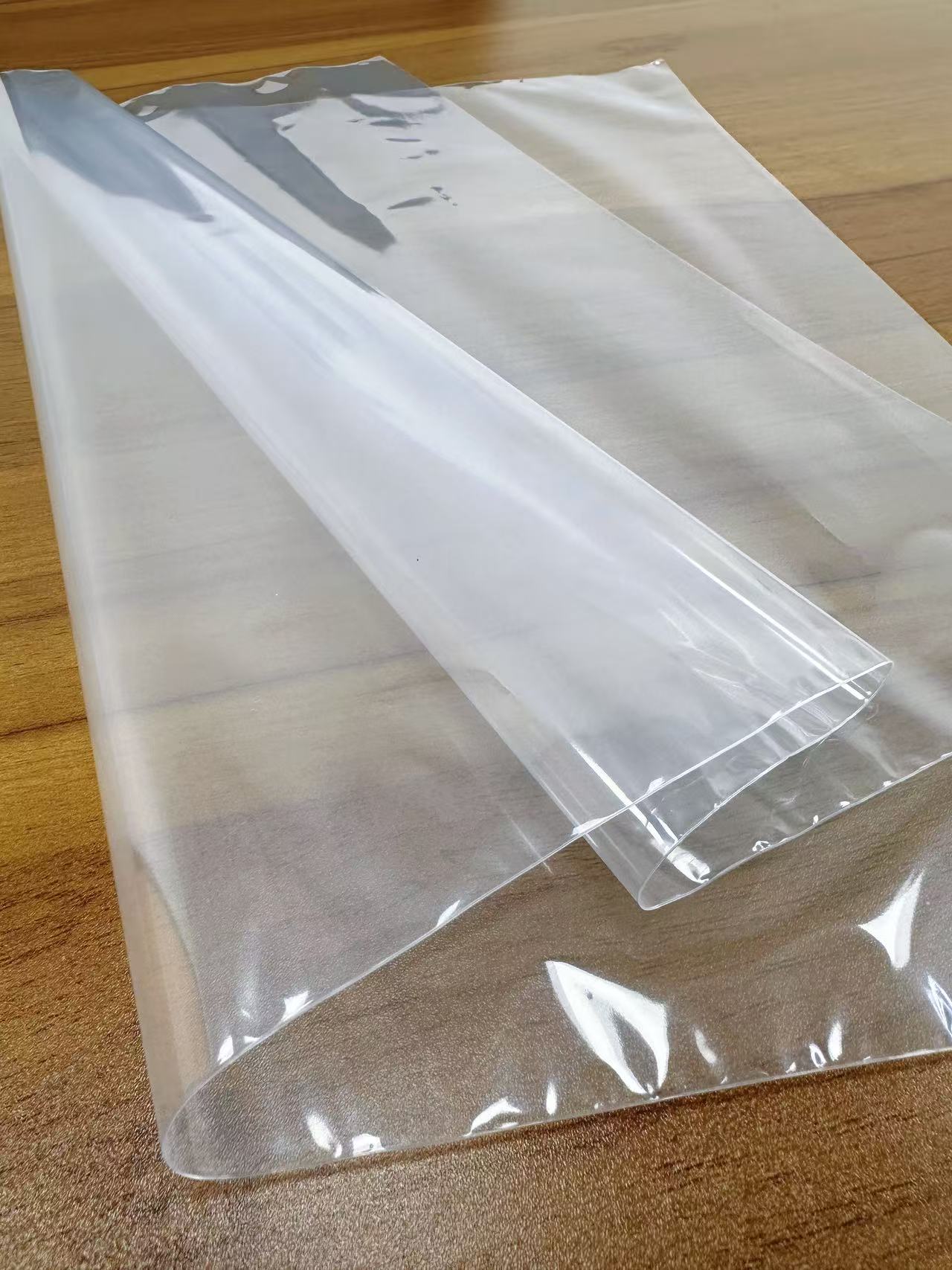
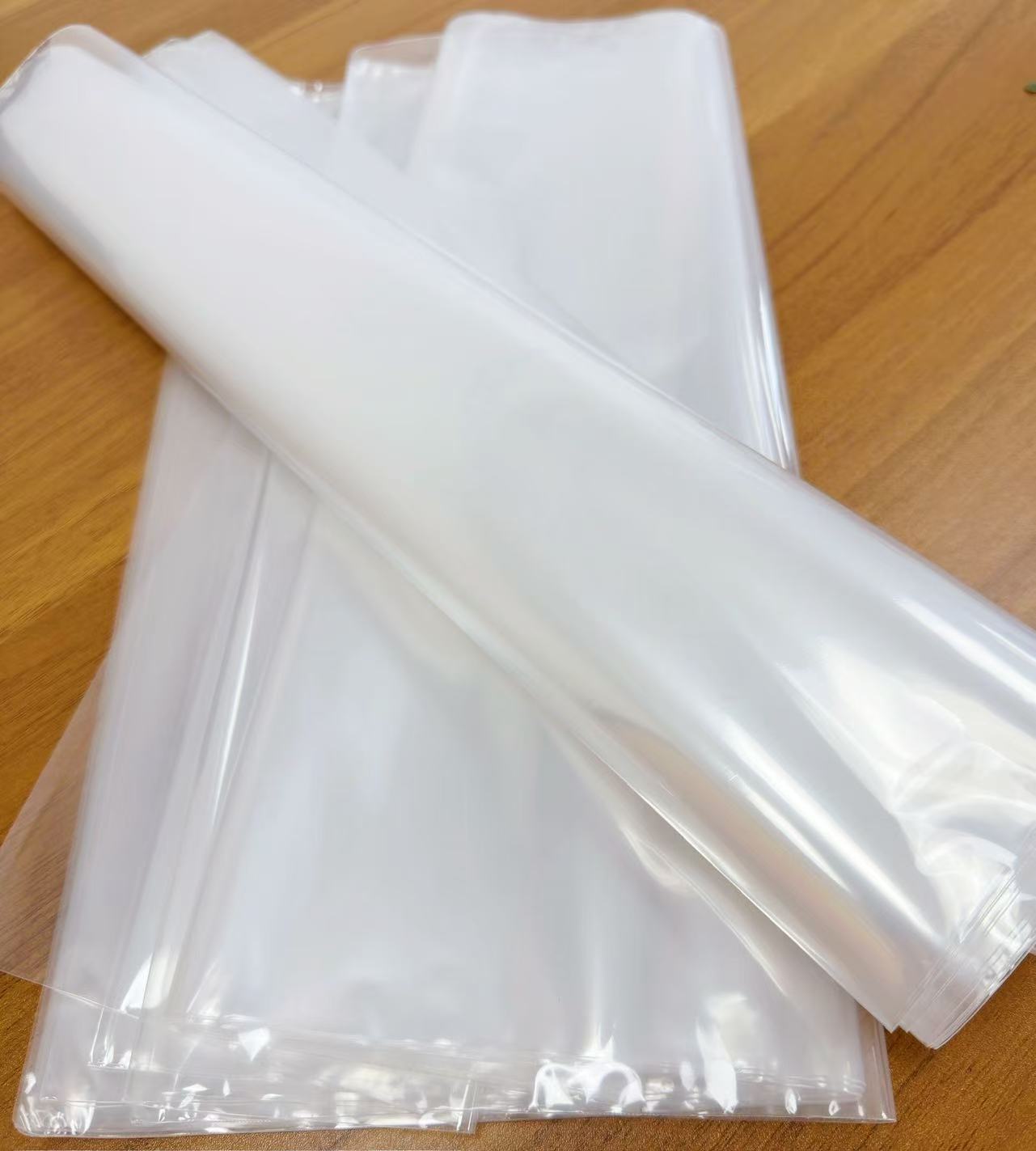
Heat shrinkable bags, also known as shrink bags or PVC / POF shrink bags, is a packaging material made of special plastic film. When heated (usually using a hot windmill, syringe, or oven), it contracts evenly in one or both directions, thus tightening the contents of the interior to form a strong, transparent, and aesthetically pleasing protective film.
Working principle
The raw materials of the hot compressed bags have gone through a process of "prestretching" and "cooling and forming" before they leave the factory. This means that the plastic molecules are forcefully stretched and arranged when manufactured, and are cooled to secure in a stretched state. When you heat it again, these "frozen" molecular chains return to their original state of relaxation, causing the film to contract in size and tightly adhere to the product surface.
Main types and materials
- Features: The most mainstream and environmentally friendly option at present.
- Pros: High transparency, high toughness (not easy to break), eco-friendly & non-toxic (meets food standards), high uniform shrinkage rate.
- Disadvantages: The cost is slightly higher than PVC.
- Applications: Widely used in food, pharmaceuticals, cosmetics, stationery, toys, electronics, etc.
- Features: Early commonly used materials, now gradually replaced by POF.
- Pros: Low cost, strong contractile force for tight binding.
- Cons: Poor environmental performance (produces toxic gases when burned), easy to turn yellow over time, poor resilience (easier to tear).
- Application: Industrial products, cards, and packaging without high environmental requirements.
- Features: High performance engineering plastics.
- Pros: Extremely strong and shock resistant, high transparency, eco-friendly and recyclable.
- Cons: Costs are highest and require higher temperatures to contract.
- Application: High-end electronics, batteries, cosmetics, tools, and areas requiring high-strength protection.
- Features: A hard, brittle material.
- Pros: Very high transparency, good gloss, and environmentally friendly.
- Disadvantage: The texture is fragile and easily cracked.
- Applications: Mainly used in food (such as pastries, fruit trays), stationery, toys, etc.
The application of heat-shrinkable bags is extremely widespread, encompassing almost all industries that require packaging:
- Food and Beverages: Collection packaging for bottled water, beverages, canned goods, biscuits, and frozen food products.
- Personal care products: Paper box packaging for shampoos, body washes, cosmetics, and toothpaste.
- Pharmaceutical and health products: Sealed packaging for medication boxes and health product boxes.
- Stationery and Toys: Packaging for stationery sets, toys, and board game sets.
- Electronic products: Batteries, USB drives, SD cards, data cables, packaging for small appliances.
- Hardware tools: Cardboard-packaged tools such as screwdrivers and wrenches.
- Printed materials: Waterproof packaging for magazines and books.
How to use heat-shrinkable bags?
- 1 Choose the right size: The size of the bag should be 10-20% larger than the product it will contain, to leave room for shrinkage.
- 2 Loading the product: Place the product inside the bag.
- 3 Sealing: Use a specialized L-shaped sealing machine or a cuff-style sealing machine to heat-seal the bag's opening. Manual operation can be performed using a heat sealing rod or the Impulse Sealer.
-
4
Heating and shrinkage:
- Mass production in industry: Utilization of thermal shrinkage channels (shrinkers). Products pass through a heated tunnel on a conveyor belt, ensuring even heating and high efficiency.
- Small batches/DIY: Use a heat gun. Maintain a distance of 15-20 centimeters between the heat gun and the bag, and continuously move it to evenly heat each surface until the bag is fully contracted and flattened. Note: Do not use open flames (such as lighters) to directly heat the bag, as this can cause the bag to burn and deform.